


German–Nigerian cooperation is linking power-sector reform, grid investment and clean-energy finance to wider economic opportunity.
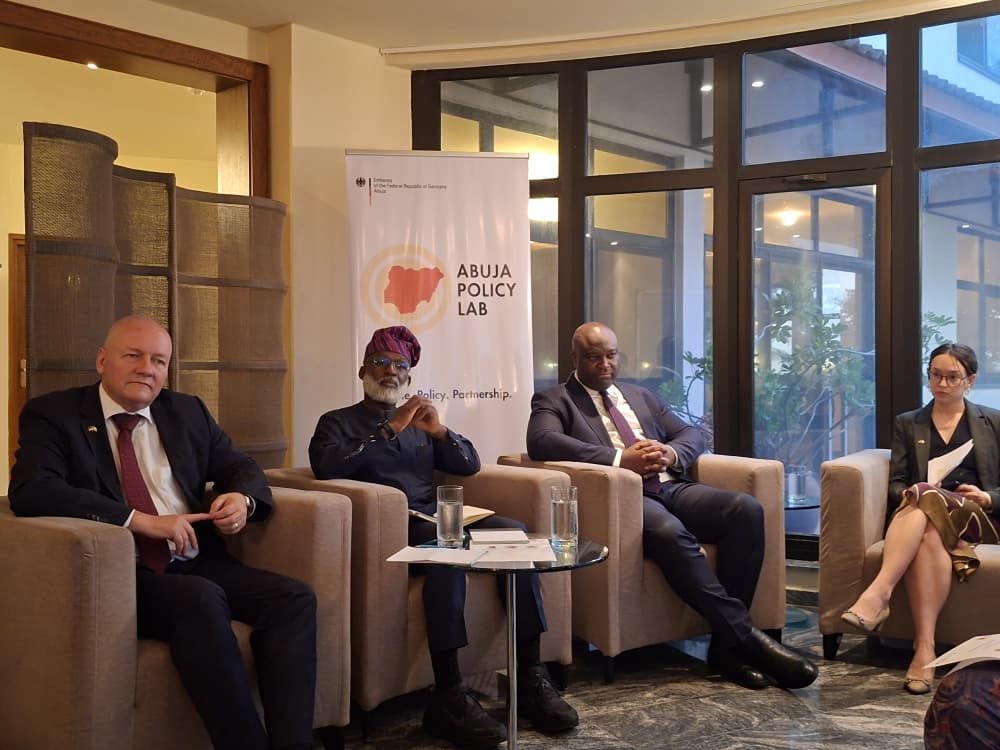
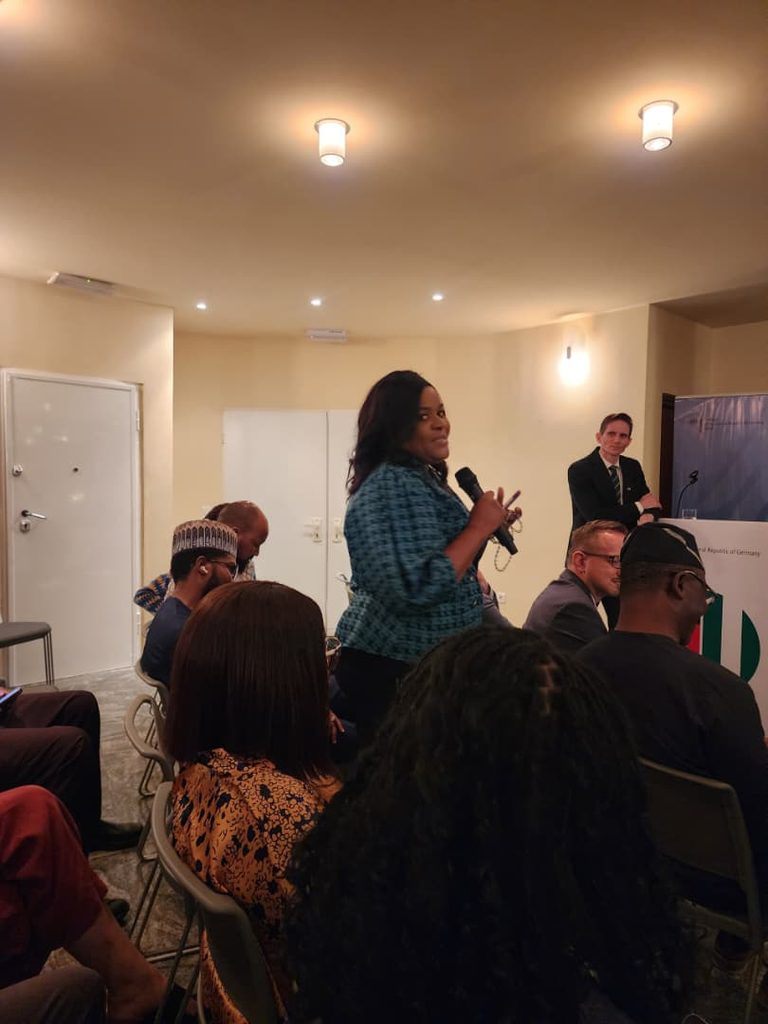
ABUJA, 14 October 2026 — Nigeria’s electricity future depends on more than adding generation capacity. It requires a functioning market, stronger networks and investment that delivers reliable power to homes and productive enterprises. These priorities shaped the German Embassy’s Abuja Policy Lab on 13 October, themed ‘Fueling the Future – How to Power Nigeria’.
The dialogue brought together Dr Lanre Babalola, former Minister of Power; Seun Suleiman, Managing Director of Siemens Energy West Africa; and Jochen Rudolph of GIZ. Babalola identified a ‘missing market’ in which electricity reaches consumers, but payments do not consistently flow back through the value chain. Addressing losses, revenue collection and market discipline, he argued, is essential to attracting investment and delivering affordable, dependable service. Industrial customers can help anchor that market through stable demand.
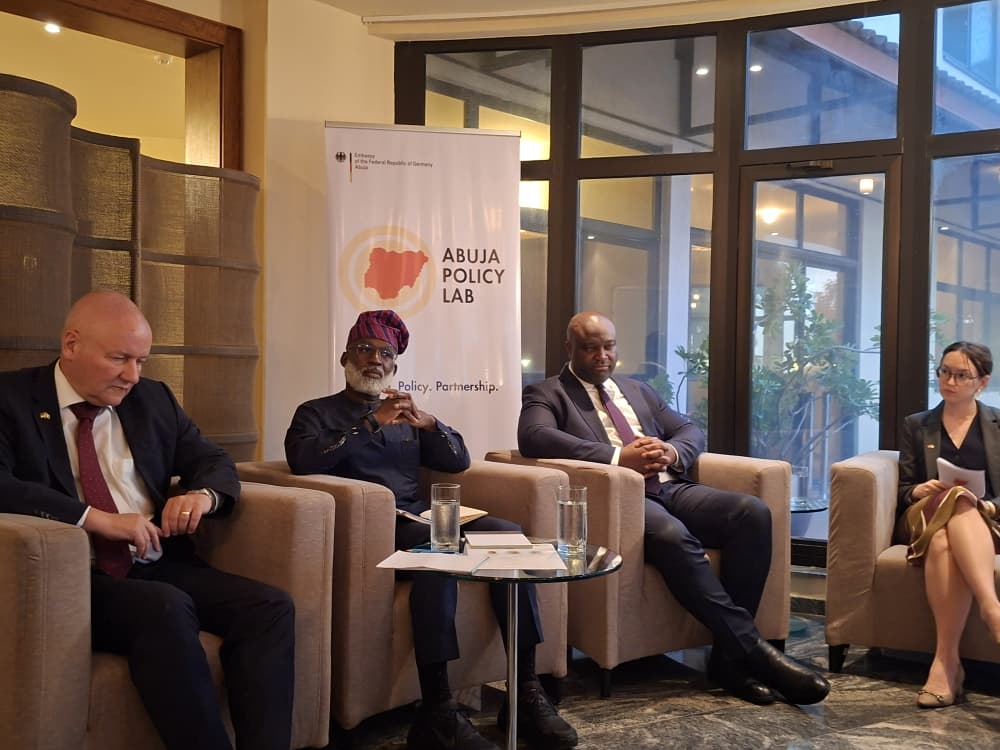
Suleiman highlighted the urgency of unlocking power constrained by inadequate transmission and distribution infrastructure. The German–Nigerian Presidential Power Initiative, implemented with Siemens Energy, is advancing grid upgrades. Nigeria’s government reported that its pilot phase had commissioned ten mobile substations and ten power transformers, with further work planned at five priority substations. Suleiman also stressed that the national grid and decentralised options, including mini-grids, should be complementary rather than competing solutions.
Rudolph urged careful sequencing of Nigeria’s overlapping priorities: expanding electricity access, enabling industrialisation and lowering emissions. Natural gas can support dependable supply and industrial demand where emissions are responsibly managed, while distributed renewables can serve communities and productive businesses. The objective is an integrated system in which energy investments deliver measurable development outcomes.
Germany’s engagement extends beyond policy dialogue. Through the BMZ- and EU-supported Nigerian Energy Support Programme, GIZ works with Nigerian institutions on renewable energy, electricity-market reform and skills. The €20 million Energy Transition Challenge Fund, financed by BMZ through KfW and implemented by AECF, is designed to mobilise private investment in clean-energy enterprises. A further GIZ–Siemens Energy partnership aims to train approximately 6,000 energy professionals over five years. Germany also identified €26.5 million for climate and energy transition cooperation in its 2026–27 bilateral commitments.
The message from Abuja is clear: Nigeria should connect oil and gas, grid modernisation, decentralised renewables, state-level electricity reforms and industrial development in a coherent investment agenda. Progress must ultimately be measured not only in megawatts, but in reliable supply, competitive businesses, jobs and improved livelihoods. With sustained Nigerian leadership and strategic partners such as Germany, this vision can move from dialogue to delivery.